
Mobile Imaging Service Market Overview
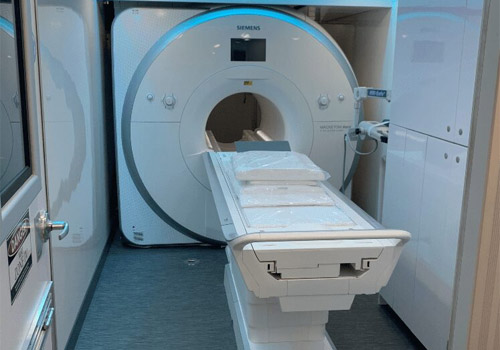
The mobile imaging service market covers diagnostic imaging delivered through transportable units that travel to healthcare sites. These units include mobile MRI, mobile CT, mobile PET CT, mobile ultrasound, and mobile X ray. Instead of sending patients off site or pausing services during equipment downtime, hospitals and clinics can bring imaging to the patient.
This model supports both large health systems and smaller regional facilities. It is used for daily overflow, temporary coverage, and long-term capacity expansion. As healthcare shifts toward faster access and more local care, mobile diagnostic imaging has become a core part of many service lines.
Mobile Imaging Service Market Size and Growth
Market research across top results shows steady growth. Estimates place the global mobile imaging services market in the mid-teens of billions of dollars in 2024, with projections reaching the high twenties of billions by the early 2030s. Forecasts commonly show mid-single digit annual growth through that period.
The takeaway is clear. Demand for mobile medical imaging services is rising, and the model is becoming more standard in hospital and clinic planning.
Key Drivers in the Mobile Diagnostic Imaging Market
Growth is being pushed by several connected forces. Imaging demand keeps climbing as populations age and chronic disease rates rise, which expands the need for screening, follow ups, and advanced diagnostics. Access gaps also remain, especially in areas with limited scanner availability, making mobile imaging an efficient way to keep care closer to home. At the same time, health systems face pressure to control costs while maintaining uptime, so mobile MRI, mobile CT, and mobile PET CT rentals help protect throughput during renovations, equipment replacement, and predictable surges.
Market Breakdown by Modality
- Mobile MRI services: Supporting neuro, spine, orthopedic, and complex outpatient diagnostics.
- Mobile CT services: Tied to trauma, stroke, cardiac, and fast-moving inpatient workflows.
- Mobile PET CT services: Growing with oncology, neurology, and cardiac program expansion.
Trends Shaping the Mobile Imaging Services Market
-
Outpatient Expansion
More care is moving to outpatient and community-based settings. Mobile units help extend advanced imaging beyond main hospital campuses.
-
Fleet Modernization
Providers are prioritizing the integration of AI into their mobile fleets to enhance speed, improve image clarity, and deliver a better patient experience.
-
Stronger Workflow Integration
Mobile imaging now connects smoothly with PACS and remote radiology systems. This supports faster reading and more consistent turnaround times.
-
Planned Coverage Over Emergency Only Use
Mobile imaging is increasingly scheduled for predictable overflow, regional access programs, and long-term capacity support, not just unexpected downtime.
What This Means for Hospitals and Clinics
The market direction points to one practical conclusion. Mobile imaging is a reliable way to stay flexible when demand is high and timelines are tight. It helps maintain continuity of care during construction, scanner upgrades, and service line growth. It also allows systems to expand advanced diagnostics into new regions without waiting on permanent build outs.
Platinum Mobile Imaging fits into this market as a nationwide partner focused on mobile MRI, mobile CT, and mobile PET CT. Facilities can choose short-term rentals for temporary needs or longer placements for sustained coverage. Each deployment includes site planning, delivery coordination, setup, and on-site applications training so clinical teams can begin scanning quickly and confidently.
Next Step
If your imaging program is facing rising demand, limited local access, or upcoming equipment downtime, mobile imaging services can help. Reach out to Platinum Mobile Imaging to request a quote and schedule a site assessment.